

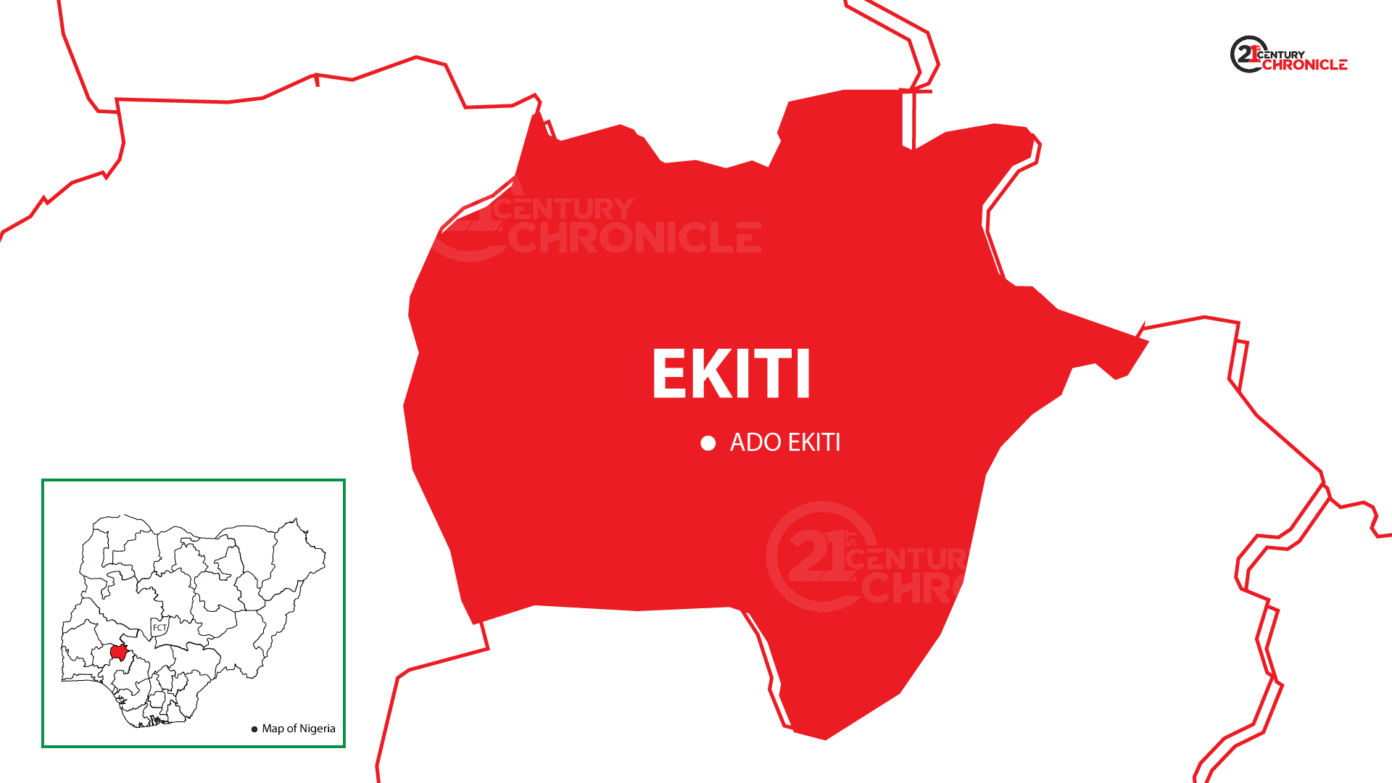

Development expert and Coordinator of Global Development Initiative (GDI), Michael Ale, has called for a fundamental overhaul of flood management in Ekiti State, arguing that recurring flooding in Ado-Ekiti requires stronger institutions rather than reliance on individual leaders.
Ale made the call in a commentary titled “Ado Ekiti Flood: Why We Must Stop Looking for Good Leaders and Start Building Strong Institutions,” following reports of flooding and rescue operations around Ureje, Elemi, Odo-Ado and Faglo.
He argued that the central issue should not be whether three, four or no deaths were recorded during a particular incident, but why known flood-prone areas continue to experience recurring emergencies every rainy season.
According to him, the risks associated with the Elemi and Ureje rivers are already known, while factors such as construction on waterways, blocked drains, inadequate dredging and refuse disposal have also been identified as contributing problems.
Ale said the persistence of the problem points to weaknesses in enforcement, preparedness and monitoring.
He questioned whether existing town planning, waste management and emergency management structures were sufficiently equipped to prevent illegal construction on flood plains, control waste disposal and provide timely warnings to communities.
He argued that flood management should become a permanent institutional responsibility, rather than an intervention that depends on the actions of whichever administration is in office.
Drawing lessons from Ibadan, Ale cited the Ibadan Urban Flood Management Project (IUFMP), which he said demonstrated how flood-risk planning, technology, infrastructure intervention and institutional safeguards could be deployed to tackle recurring flooding.
He said Ekiti could study such approaches while developing structures suited to its own geography and communities.
Ale also called attention to monitoring and evaluation, arguing that the implementation of Ekiti State’s 30-year Development Plan should be regularly assessed and publicly reported.
He proposed that the Ekiti State House of Assembly should consider legislation establishing clearer flood-prevention and urban-planning requirements, including regular dredging of major waterways, protection of flood buffers and stricter enforcement against construction without appropriate drainage clearance.
He further proposed an Ekiti Flood Management Agency with dedicated long-term funding and possible partnerships with development institutions.
Ale also advocated quarterly publication of development-plan compliance reports, saying such reports would allow citizens to track the performance of government agencies responsible for flood prevention and infrastructure.
He maintained that emergency rescue operations should not replace preventive measures, stressing that the goal should be to reduce the circumstances that put residents at risk in the first place.
Ale concluded by expressing sympathy for families affected by the flooding and urging the state to build systems capable of preventing or mitigating future disasters rather than repeatedly responding after they occur.
