


By Noble Uchegbu Uchechukwu Zachariah
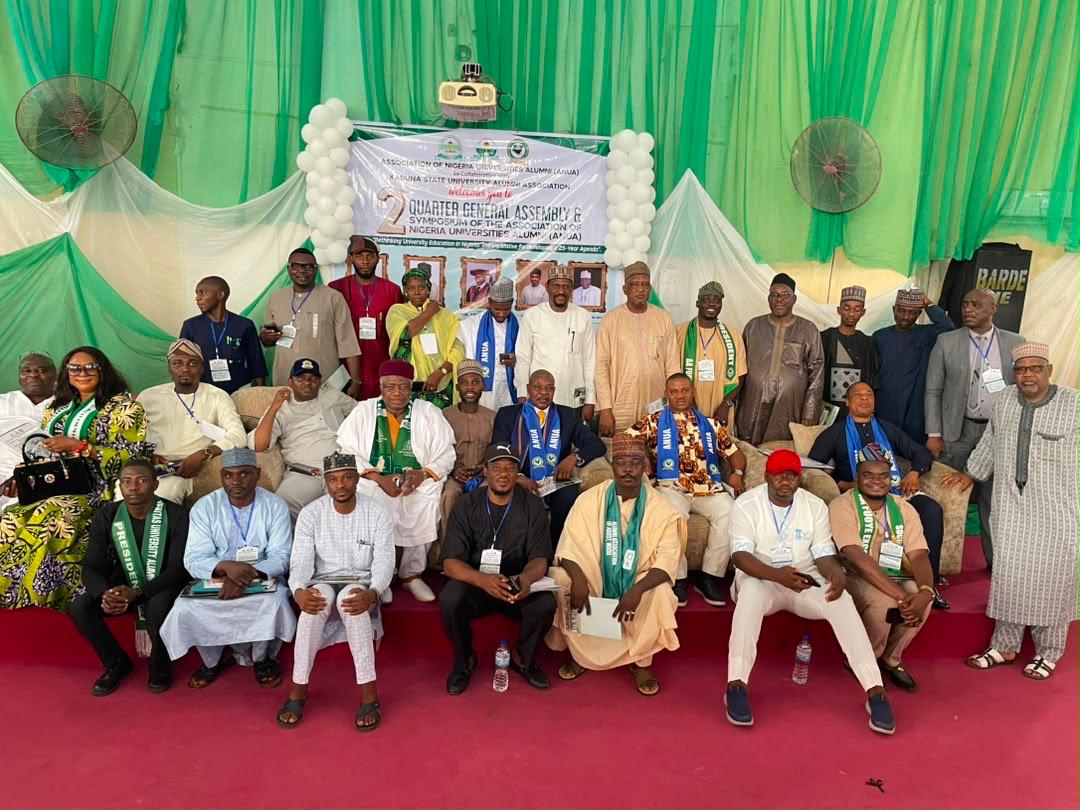
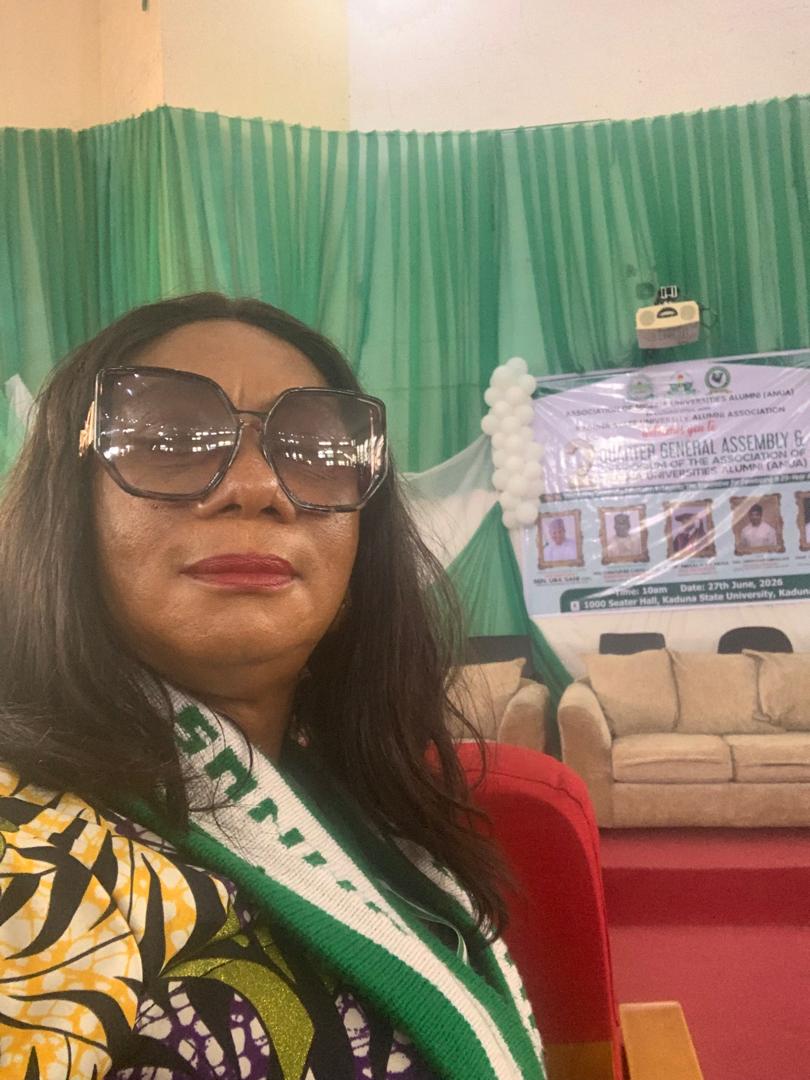
The campus of Kaduna State University (KASU) was alive with vibrant energy, intellectual fervor, and rich cultural displays this past weekend as the Association of Nigeria Universities Alumni (ANUA) convened its 2nd Quarter General Assembly and Symposium.
Hosted by KASU (established in 2004), the convention brought together alumni leaders, academics, education stakeholders, and policymakers from over 25 institutions nationwide. They gathered under a critical and timely theme: “Rethinking University Education in Nigeria: The Imperative for Developing a 25-Year Agenda.”
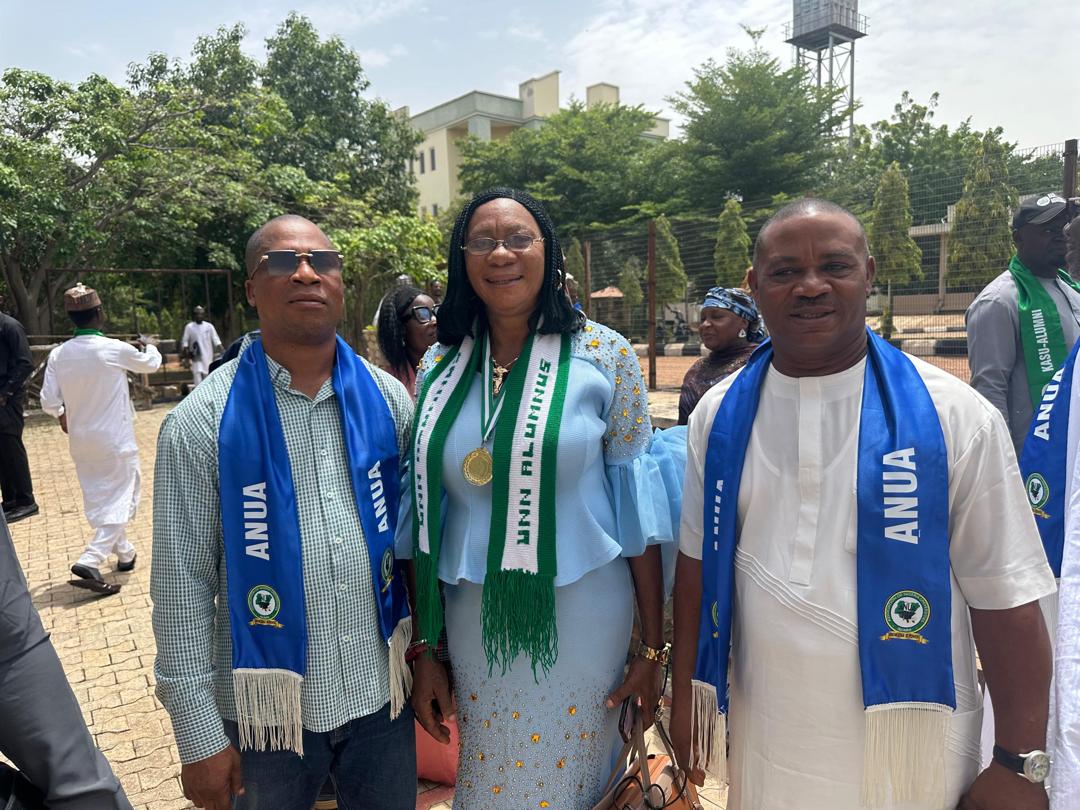
The event, which served as a major milestone for ANUA, kicked off with immense optimism. In his welcome address, the host National President of KASU alumni association Mallam Abdulhadi Abdullahi, expressed delight over the impressive, record-breaking turnout, noting that the growing participation reflects an unprecedented unity and commitment toward rescuing and strengthening higher education in Nigeria.
Next was the opening address by the Deputy National Chairman of ANUA, Dr Stephen Olawale Fasakin who represented the Chairman, Prof Ochefu who was unavoidably absent. He expressed absolute confidence that the strategic resolutions reached during the assembly would pave a sustainable pathway for the advancement of Nigerian universities.
High-Level Advocacy and Strategic Decisions
The symposium featured a powerful keynote address by Prof. Abubakar Sani Sambo, the Honourable Commissioner for Education for Kaduna State, who threw his weight behind the call for a structured, long-term blueprint for Nigerian tertiary education.
A major highlight of the assembly was the radical legislative call made by the Deputy Chairman I of ANUA and President of the University of Ilorin Alumni Association, Dr. Stephen Olawale Fasakin, KSM. Dr. Fasakin called on the Federal Government to amend the laws governing the composition and leadership of university governing councils, making it mandatory for their alumni presidents to occupy the alumni seat in council. “Alumni are better positioned to provide visionary leadership for universities because they have a deep understanding of the institutions that shaped their academic and professional lives,” Dr. Fasakin argued, stressing that placing alumni at the helm would promote accountability, improve infrastructure, and enhance student welfare.
He reminded the assembly that government alone cannot fund tertiary education, urging alumni associations nationwide to give back generously to their Alma Mater through scholarships, mentorship, and financial support.
At the conclusion of the deliberations, the General Assembly reached several major decisions aimed at driving institutional development:
Expanded Inclusivity: Chancellors, Vice-Chancellors and Alumni Relations Officers (AROs) of all distinct higher institutions in Nigeria will be officially invited to future ANUA meetings to foster deep-rooted stakeholder collaboration along with key education policy makers.
Institutional Autonomy
University Vice-Chancellors across the country are strongly encouraged to grant full operational autonomy to their respective alumni associations to maximize their development potential.
National Security Call
In the light of contemporary challenges, the association urged the Federal Government to drastically improve the security of lives and properties nationwide, both within the larger society and explicitly on university campuses.
A Vibrant Tapestry of Culture and Royal Blessings
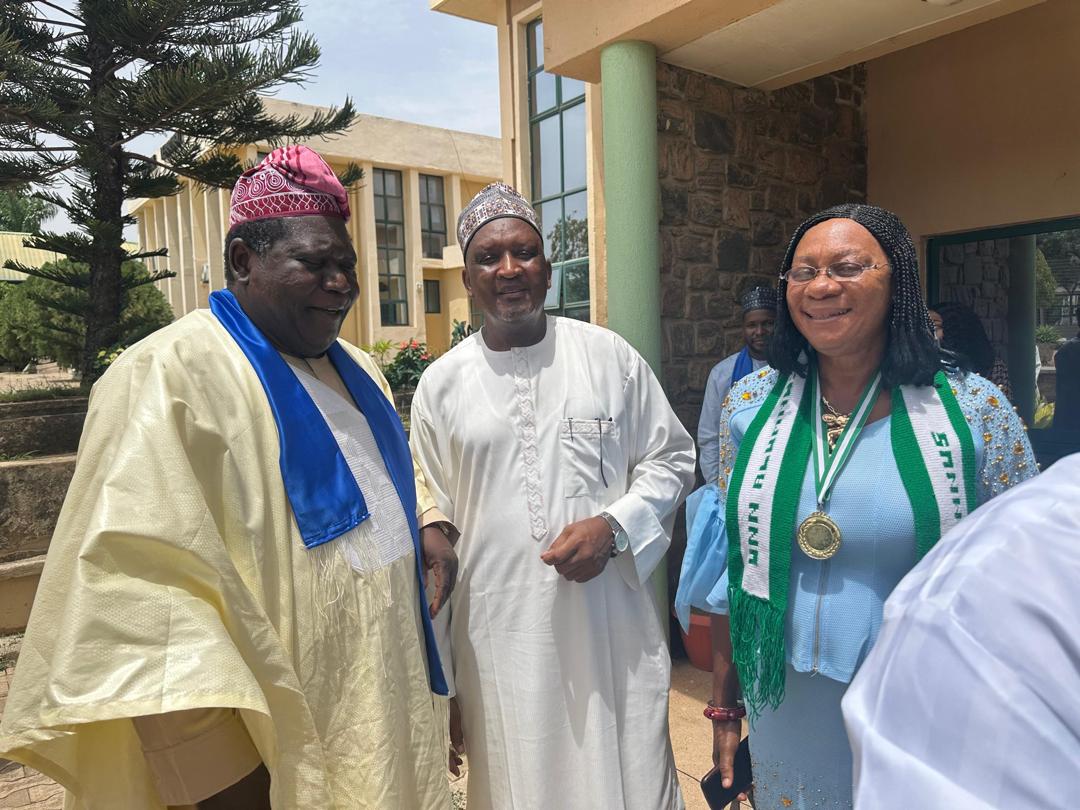
The serious academic and administrative sessions were beautifully punctuated by rich side attractions that celebrated Nigeria’s diverse heritage. Attendees were treated to spectacular, colourful cultural dances from the Fulani, Hausa, and Yoruba tribes, turning the assembly into a beautiful festival of unity.
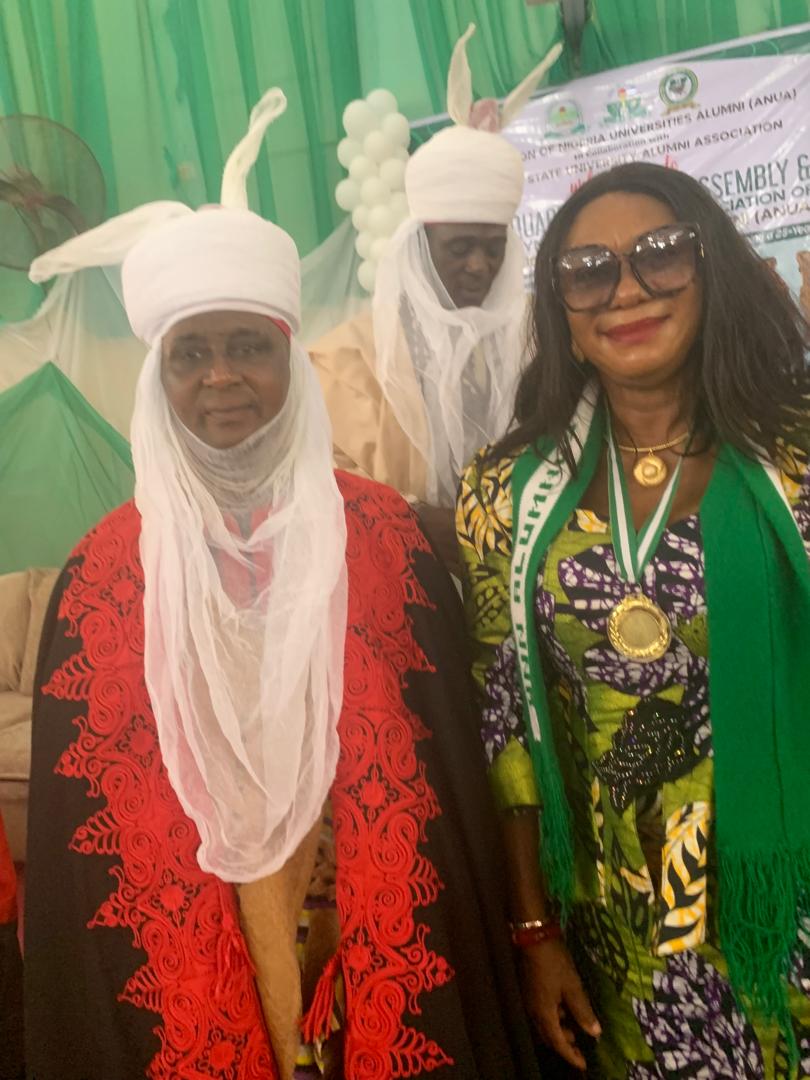
The gathering also received goodwill messages from the executive governor of the state, Sen. Uba Sani CON and a royal backing, featuring the Royal Father of the Day, the Emir of Kagarko, Alhaji Suleiman Sa’ad Abubakar, who blessed the assembly’s vision for a 25-year educational roadmap.
The Pride of the Lion: UNAA Shines at ANUA 2026
Standing tall at the centre of this historic gathering was the Global/National President of the University of Nigeria Alumni Association (UNAA), Queen Linda Agua-Onyekwelu PhD representing the country’s premier indigenous university. Her presence underscored the foundational role that the University of Nigeria, Nsukka (UNN) continues to play in national development.
Speaking passionately during the assembly, Queen Dr. Linda Agua-Onyekwelu forcefully projected the unique legacy of the University of Nigeria and the unparalleled impact of its alumni network.
“When we talk about rethinking university education in Nigeria, we must look to models that work, and the University of Nigeria Alumni Association stands as a shining beacon of what passionate, organized alumni can achieve,”Queen Dr. Agua-Onyekwelu stated.
As ‘Lions and Lionesses,’ we carry a unique mandate to restore the dignity of man. Our alumni association is not just a social club, it is a critical developmental partner to our alma mater. From massive infrastructural interventions to robust endowment funds and global mentorship pipelines, UNAA has consistently proven that the survival and excellence of Nigerian universities rely heavily on the loyalty of those they produced.”
She continued, “The University of Nigeria remains the nursery of leadership in this country. As we deliberate on a 25-year agenda for Nigerian universities, UNAA is fully committed to exporting our templates of institutional support, robust engagement, and absolute commitment to academic excellence to our sister associations across the nation. We are proud of our heritage, and we stand ready to lead the charge in this new era of collaborative university governance.”
*A United Front for Higher Education-*
The sheer diversity of the conference was reflected in the long list of institutions actively participating and holding the fort live at KASU, cutting across federal, state, and private universities from every corner of the federation, including: University of Nigeria, Nsukka, University of Ibadan, University of Calabar, University of Ilorin,
University of Mkar, Abubakar Tafawa Balewa University,bAhmadu Bello University, Zaria, Aliko Dangote University of Science and Technology, Wudil, Bayero University, Kano, Ebonyi State University,
Federal University, Lafia, Imo State University, Gombe State University,
Kaduna State University, Kashim Ibrahim University, Borno, National Open University of Nigeria, Nasarawa State University,
Sa’adu Zungur University, Bauchi, Usmanu Danfodiyo University, Sokoto, Plateau State University,bVeritas University, Abuja,
Moses Orshio Adasu University, Makurdi,
Joseph Sarwuan Tarka University, Federal University, Oye-Ekiti to mention but a few.
As the delegates return to their respective destinations, the resolutions from Kaduna write a bold new chapter. The message from ANUA is loud, clear, and undeniable: the renaissance of Nigerian higher education has begun, and the alumni are ready to lead the way.
