


The leading pharmaceutical manufacturing company in Nigeria, Fidson Healthcare Plc has been selected as one of eleven manufacturers across nine countries to sign sublicence agreements with the Medicines Patent Pool (MPP) for the development and manufacture of generic versions of baloxavir marboxil, an innovative antiviral treatment for influenza, under MPP’s voluntary licensing agreement with Roche.
The announcement names Fidson among four manufacturers with a global presence — Laurus Labs and MSN in India, and Desano and Guilin Pharma (Fosun) in China and 6 other regionally focused manufacturers: Biolab & Co. in Brazil, Kimia Farma in Indonesia, Hovid in Malaysia, QCIL in Uganda, Lekhim in Ukraine and Stellapharm in Vietnam.
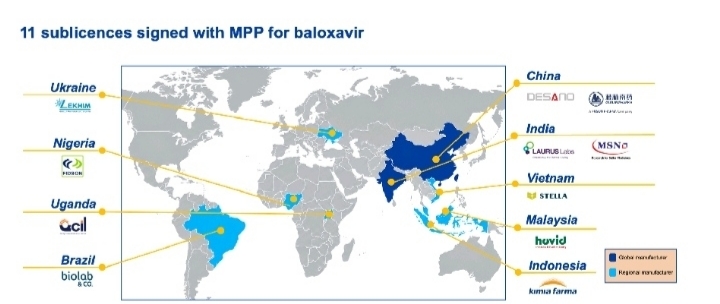
Fidson joins manufacturers across Brazil, China, India, Indonesia, Malaysia, Uganda, Ukraine and Vietnam under sublicence agreements to develop and manufacture generic versions of Roche’s baloxavir marboxil through MPP’s voluntary licence, supporting diversified manufacturing capacity and stronger pandemic preparedness.
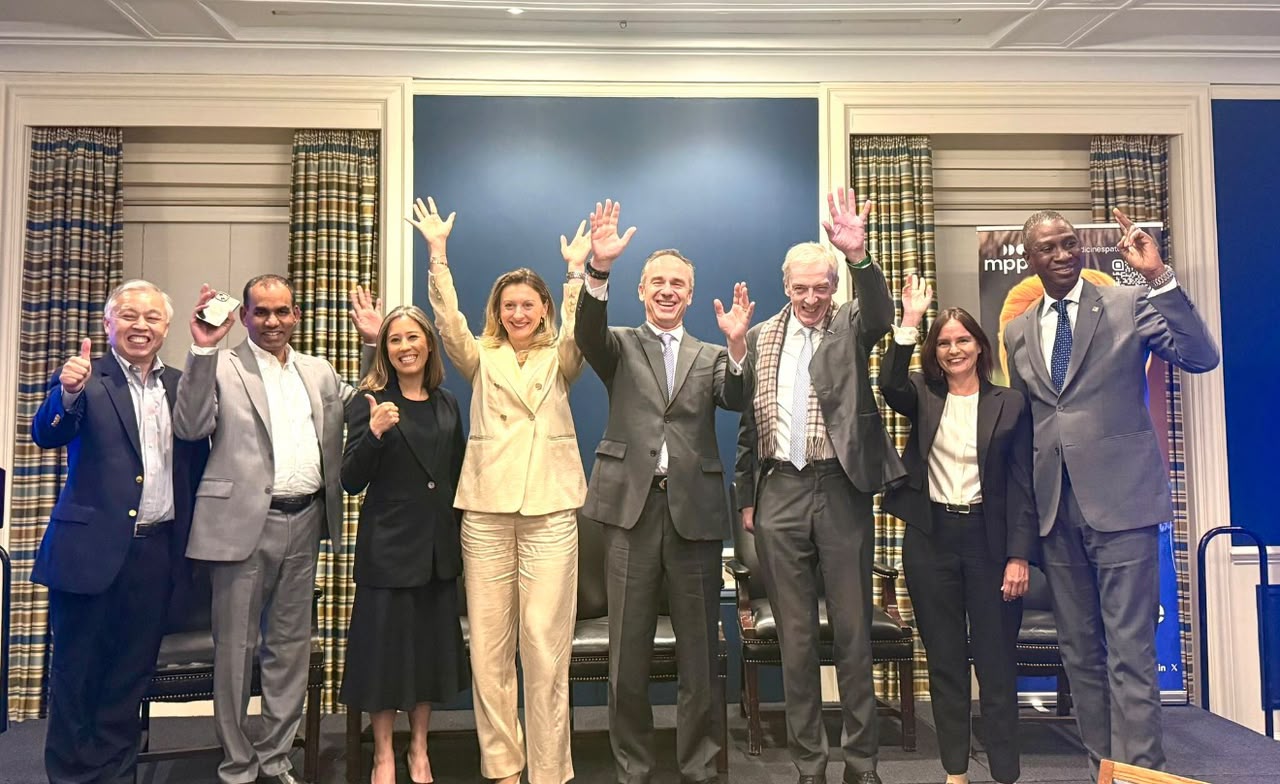
The announcement of the sublicensees comes as global leaders gathered at the United Nations General Assembly in New York to discuss pandemic prevention, preparedness and response. At a side event, “Advancing pandemic preparedness through voluntary licensing, technology transfer, and local production,” organised by MPP with the support of Roche, representatives from governments, industry, international organisations, manufacturers and civil society discussed how to strengthen the systems and partnerships needed before the next health emergency.
The sublicence agreements mark an important step in translating the voluntary licence signed by MPP and Roche in May 2026 into concrete action to support product development, expand manufacturing capacity and enable future access. By building a geographically diverse manufacturing base in advance, the licensing approach aims to diversify supply pathways for influenza treatment, support regional production and strengthen preparedness for future outbreaks and pandemics.
Speaking about the development, Biola Adebayo, Managing Director and CEO, Fidson Healthcare Plc. said “Being selected by the Medicines Patent Pool as a sublicensee under the Roche-MPP voluntary licensing programme for baloxavir marboxil is both an honour and a validation of Fidson’s longstanding commitment to quality-assured pharmaceutical manufacturing, innovation, and improving healthcare outcomes. As an African healthcare company, we are proud to contribute to global efforts aimed at strengthening regional health security, enhancing preparedness for future health emergencies, and ensuring that life-saving medicines reach the patients who need them most.
“This partnership reinforces the growing role of African manufacturers in the global health ecosystem and underscores our commitment to delivering quality-assured, world-class healthcare solutions that add value to lives. We look forward to working with Roche, the Medicines Patent Pool, and other stakeholders to support broader access to this important antiviral medicine across eligible markets and contribute to a more resilient and equitable healthcare future,” Adebayo added.
Other key stakeholders also made comments about the necessity and importance of the sublicence agreements. Charles Gore, Executive Director of the Medicines Patent Pool, said: “We are now moving into implementation with manufacturers across multiple regions. This is exactly the kind of work that needs to happen before, rather than during, a health emergency. We will now work closely with these manufacturers to support product development and regulatory approval, with the aim of making quality-assured generic baloxavir available as quickly as possible. By combining global manufacturing capacity with regionally focused production, we are helping build a more geographically diverse and resilient supply base for the future.”
Under the voluntary licence, manufacturers can develop, manufacture and supply generic versions of baloxavir marboxil in 129 countries, covering nearly all low- and middle-income countries, subject to regulatory authorisation. The agreement also provides manufacturers with access to a technical data package, reference products for bioequivalence studies and other support intended to facilitate regulatory approval and accelerate availability.
Following an open Expression of Interest process launched after the signing of the licence in May 2026, MPP assessed applicants against established criteria, including their technical and regulatory capacities and commitment to develop and manufacture quality-assured baloxavir products.
The selection of both global and regionally focused manufacturers combines established manufacturing capabilities with a more geographically diverse production base. This approach will help strengthen supply resilience while building production capacity closer to the regions and populations that products are intended to serve.
About Fidson Healthcare Plc
Fidson Healthcare Plc is Nigeria’s leading pharmaceutical company, committed to improving access to quality healthcare products across Africa. With a world-class manufacturing facility and a robust quality management system, the company maintains a diversified portfolio of registered Prescription-Only Medicines (POMs) and Over-the-Counter (OTC) products spanning multiple therapeutic classes. Fidson is dedicated to adding value to life through innovation, operational excellence and sustainable growth. Beyond that, the company offers formulation and development, and contract manufacturing services, playing a critical role in advancing healthcare outcomes and strengthening local pharmaceutical manufacturing capacity across Africa.
About the Medicines Patent Pool
The Medicines Patent Pool (MPP) is a United Nations-backed public health organisation working to increase access to and facilitate the development of innovative medicines and other health technologies for low- and middle-income countries. Through its public health-driven business model, MPP partners with civil society, governments, international organisations, industry, patient groups and other stakeholders to prioritise and license needed health products and pool intellectual property to encourage generic manufacture and the development of new formulations
