

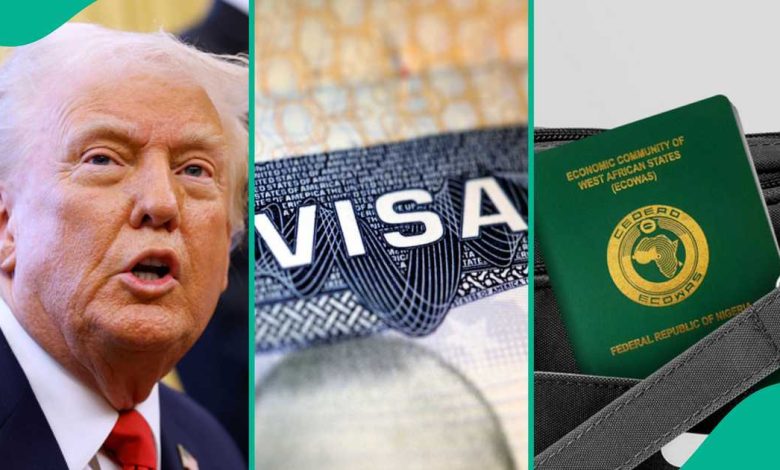

The United States government has suspended the processing of green card and citizenship applications for Nigerians and citizens of several other countries, following the expansion of its immigration and travel restrictions.
According to reports by Punch, BusinessDay and The Guardian, the decision is linked to an expanded U.S. travel ban and stricter immigration vetting measures that now affect nationals of up to 39 countries, including Nigeria.
Under the new directive, the U.S. Citizenship and Immigration Services (USCIS) has been instructed to halt the processing of new applications for permanent residency, commonly known as green cards, as well as naturalisation requests from the affected countries. The suspension also impacts some applicants already legally resident in the United States who are seeking to adjust their immigration status.
U.S. authorities explained that the policy forms part of a broader immigration review aimed at strengthening national security and tightening visa controls. Concerns over documentation, identity verification and the need for enhanced vetting procedures in some of the affected countries were cited as key reasons for the action.
The development is also connected to an expanded presidential travel proclamation expected to take effect from January 2026. The proclamation is expected to broaden restrictions on both immigrant and non-immigrant visas, including visitor, student and exchange programme visas.
Although certain exemptions may apply such as for lawful permanent residents, diplomats and dual-nationality holders travelling on unrestricted passports, most applicants from the listed countries are expected to face significant delays or outright restrictions.
WesternLifeNewsNG understands the suspension has triggered anxiety among many Nigerian applicants and families with ongoing immigration petitions or long-term plans to relocate or reunite with relatives in the United States.
Immigration lawyers have warned that the policy could stall thousands of applications and severely disrupt family reunification processes.
Analysts note that Nigeria is likely to be among the most affected countries, given the large number of Nigerians who apply annually for U.S. visas, permanent residency and citizenship through employment, family sponsorship and education-related pathways.
Critics of the policy argue that it unfairly penalises law-abiding applicants and undermines legal migration routes, pointing out that the U.S. immigration system already has multiple layers of security screening. Advocacy groups have also raised concerns about the humanitarian and economic consequences of prolonged immigration freezes.
However, the U.S. government has maintained that the measures are necessary to protect national security and preserve the integrity of its immigration system, adding that the suspension remains under review.
For now, affected applicants, including Nigerians, have been advised to closely monitor official updates from the U.S. Embassy and USCIS and seek professional immigration guidance as the situation continues to evolve.
