


The newly inaugurated Women League of the Nigerians in Diaspora Organisation (NIDO) Africa is expected to provide a stronger platform for Nigerian women across the continent to participate in leadership, economic development, policy advocacy and community welfare.
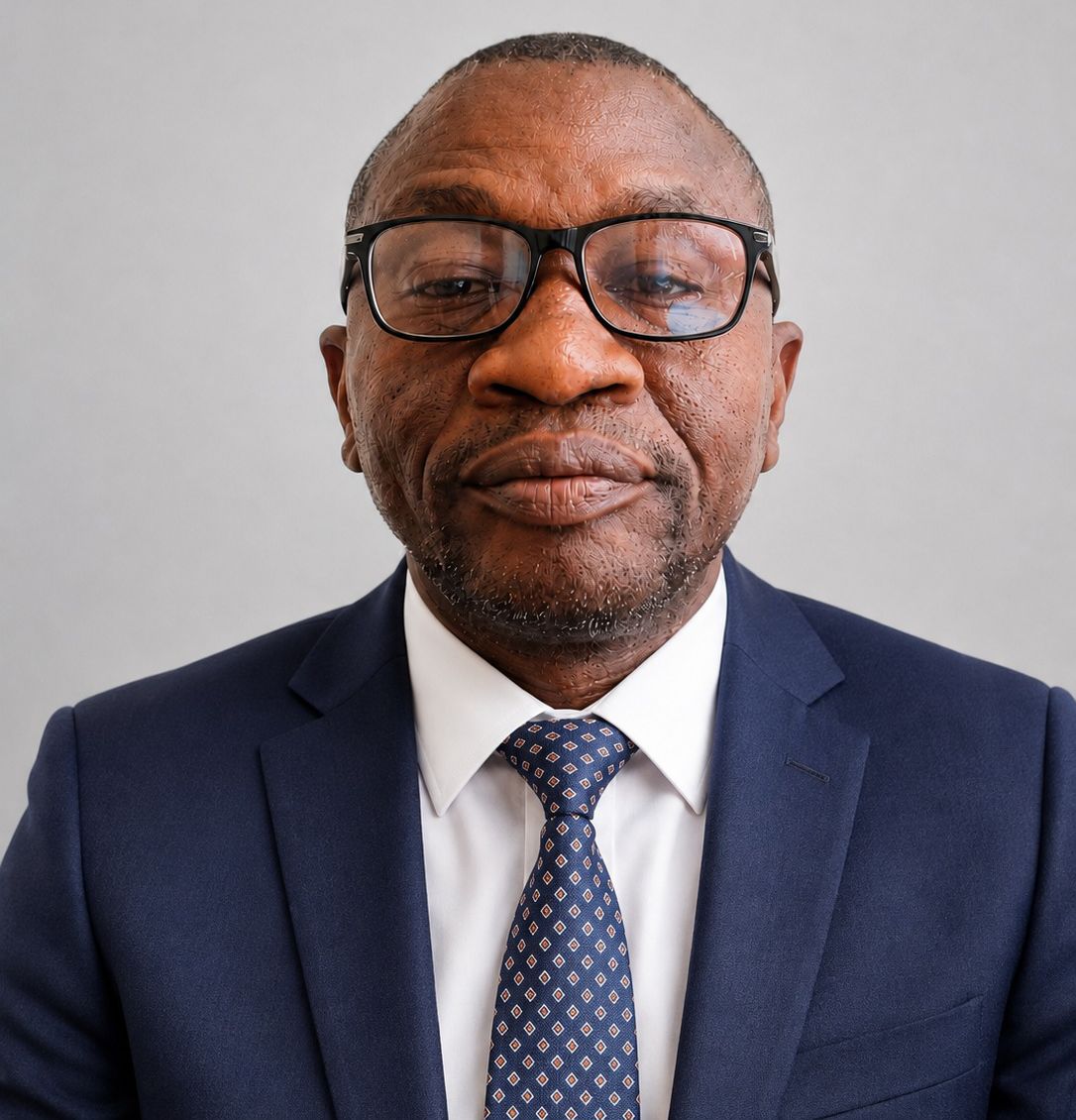
In this interview with journalists, the Continental Chairman of NIDO Africa, Dr. Fatoye Olufemi, explains the rationale behind the establishment of the Women League, its expected roles, the challenges confronting Nigerian women in the diaspora and the organisation’s plans to strengthen ties between women abroad and those at home. He also shares his vision for the League over the next three to five years.
What informed the decision to establish the Women League at this time?
The decision to establish the NIDO Africa Women League stems from a strategic recognition of two fundamental realities.
First is the expanding role of diaspora women. Nigerian women across the African continent have consistently been the backbone of community support, diaspora entrepreneurship and cultural preservation. However, their contributions have often been fragmented, without a dedicated institutional framework to drive targeted initiatives.
Second is the need to respond to current socio-economic realities. The prevailing global and continental economic climate requires structured interventions in trade, education and social protection. Establishing the Women League at this time will ensure that women are not merely passive participants in diaspora affairs, but central drivers of NIDO Africa’s socio-economic agenda and policy advocacy.
What specific roles do you expect the Women League to play within NIDO Africa and in the wider Nigerian community?
Within NIDO Africa, the League will promote institutional inclusion by ensuring equal representation and active participation of women in leadership, decision-making and policy formulation across our continental chapters.
It will also serve as a primary platform for conceptualising and executing gender-focused development projects, welfare programmes and business networks.
In the wider Nigerian community, the League will provide a structured social safety net for Nigerian women and families facing settlement, integration, legal or social challenges in their host countries. It will also serve as a bridge connecting diaspora women professionals with community development projects, mentorship programmes and grassroots initiatives in Nigeria.
What are the major challenges confronting Nigerian women in the diaspora, and how will the Women League address issues of economic empowerment, discrimination and family welfare?
Nigerian women in the diaspora face a number of challenges, including limited access to business financing, trade networks, credit facilities and formal employment, particularly because of work-permit restrictions in some host countries.
There are also issues of systemic discrimination and integration barriers, including language difficulties, xenophobic undertones and administrative hurdles. Family welfare and social isolation are other concerns, especially where women have limited traditional support systems during emergencies, health crises or domestic disputes.
The Women League intends to respond through a number of strategic interventions. We plan to establish a NIDO Diaspora Women’s Business Network to facilitate peer-to-peer trade, provide access to micro-investments and promote skills acquisition tailored to host-country markets.
On discrimination, we intend to partner with regional legal bodies, civil society organisations and diplomatic missions to provide legal aid, advocacy and rights education. We will also establish localised family support committees to assist with emergency relief, health guidance, educational placement for children and psychosocial counselling.
What plans do you have to strengthen the relationship between Nigerian women in the diaspora and women back home and ensure that this contributes to national development?
We intend to build that relationship through mentorship, enterprise development and targeted social investment.
One of our plans is to establish a Diaspora-Home Skill Bridge through structured virtual and physical mentorship programmes, enabling diaspora women professionals to share their expertise with women-led businesses, students and young entrepreneurs in Nigeria.
We also plan to create direct trade and enterprise partnerships by developing a diaspora-to-home trade corridor that connects women farmers, artisans and manufacturers in Nigeria with market opportunities across Africa.
In addition, we will mobilise collective diaspora resources towards healthcare, maternal welfare, digital literacy and girl-child education, particularly in underserved communities.
We also intend to organise bi-annual policy and advocacy dialogues that will bring together female leaders in Nigeria and across the diaspora to develop practical proposals for economic inclusion and national growth.
What is your vision for the Women League over the next three to five years from a continental perspective?
Our three-year vision for the NIDO Africa Women League is anchored on three core pillars: institutional strength, economic self-reliance and continental integration.
First, we want to achieve full continental expansion by establishing functional and active Women League directorates across all registered and active NIDO Africa chapter countries. This will ensure that Nigerian women across the continent have access to a structured support network.
Second, we intend to establish a NIDO Africa Women Development Fund and an Enterprise Hub that will provide seed grants, business loans and trade facilitation for diaspora women-led small and medium-sized enterprises.
Third, we want to position Nigerian diaspora women as key players in the African Continental Free Trade Area, AfCFTA, by training and supporting female entrepreneurs to participate actively in cross-border trade between Nigeria and other African countries.
Ultimately, our goal is to elevate the Women League into a respected continental voice and partner for institutions such as the African Union, ECOWAS and national governments on issues concerning women, migration and development
